

Funeral Etiquette
When someone dies, you may want to support their family but feel unsure what to say, wear, or do—or whether to bring children. That’s completely normal. This guide covers common funeral and visitation etiquette so you can attend with confidence and offer thoughtful support.

Attend the Funeral
Don’t skip the funeral, even if you didn’t know the person who died directly. If your co-worker, friend, or family member loses someone they love, be sure to attend at least one of the funeral events, whether it’s a visitation, wake, or funeral service. Funerals are for the living, not the deceased, and your presence at the funeral is more important than you know.
Be on Time
Funerals start on time, so arriving a little early is important. Try to arrive 15 to 10 minutes early so that you can sign the register book and be seated when the funeral starts. If you arrive late, a funeral attendant can generally show you where to be seated. Try to move toward the side aisle rather than the center aisle.


Talk about the Deceased
During a visitation, it’s fine to catch up with friends and family you haven’t seen in a while, but always be sensitive of the circumstances. If you sense the conversation is drifting too much or is getting too boisterous for the family, bring it back around to remembering the deceased. Those who are in pain and closest to the one who died will appreciate your consideration.
Express Your Sympathy
Finding the right words after a loss can be difficult. Whether speaking in person or writing a condolence note, consider the bereaved person’s feelings and avoid phrases that may unintentionally hurt. Learn what is appropriate to say—and remember, “I’m so sorry for your loss” may be enough.


Dress Appropriately
Funeral attire is more flexible today, but respect should guide your choice. Avoid clothing that is revealing or displays explicit or distracting content. Follow any request from the family, such as wearing a favorite color or team jersey. When in doubt, simple, conservative clothing in black, gray, or navy is a safe option.
Use Technology Sparingly
Technology can support modern funeral services, but it may also distract mourners. Silence or put away your phone during visitations, viewings, and services. If you need to take a call, step outside quietly. Always ask the family before taking photos or recording, and use devices thoughtfully to respect those around you.

Provide a Meal
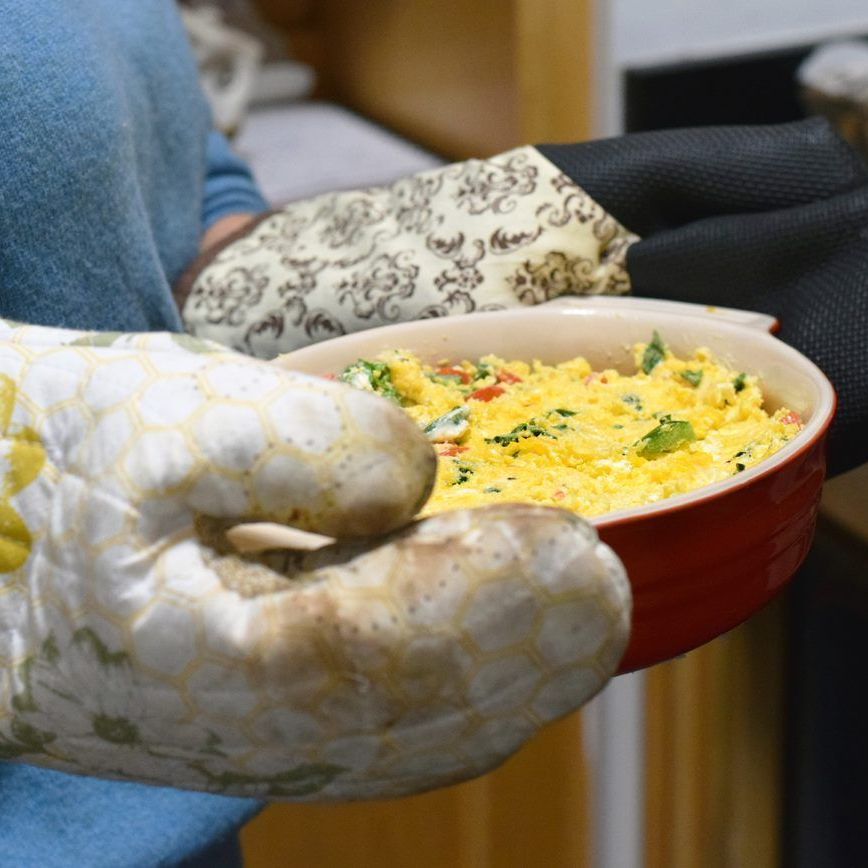
Bringing a precooked meal is a thoughtful way to support a grieving family. Ask about allergies or dietary needs first, and include a note with your name. Consider choosing something that is easy to refrigerate, freeze, and reheat. Use a disposable container or label any dish you would like returned. A simple meal can offer practical help and comfort during a difficult time.
Send a Sympathy Gift
Flowers are commonly sent to the funeral home or family’s home. If the family requests donations “in lieu of flowers,” consider giving what you would have spent on a floral arrangement and include the name of the person being honored. Let the organization know if you prefer to remain anonymous. Supporting a cause meaningful to the family is a thoughtful way to pay tribute. Direct cash gifts are not typically expected. You can also consider a thoughtful sympathy gift by mail.


Stay in Contact
Attending a funeral shows support, but your care should not end when the service does. Grief has no timeline, so continue checking in during the weeks and months that follow. Offer to meet, listen, or call if you cannot visit in person. A small gesture can remind someone who is grieving that they are not alone.
If you are in doubt as to what to do at a funeral, take your cues from the family. A funeral is generally a solemn occasion, but at times the family will want to evoke a celebratory mood. Be sensitive to the needs and the mood of the family, and you can’t go wrong.
